
Philip’s Hidden Despair
Washington BlackThis thread follows Philip from a childhood shaped by cruelty to his opaque adult life and suicide, whose meaning continues to trouble Washington Black and Titch.
increasing Bearing strength in each event
 decreasing
Bearing strength in each eventdecreasingThe Three Boys
The Three Boys
A Childhood Hierarchy
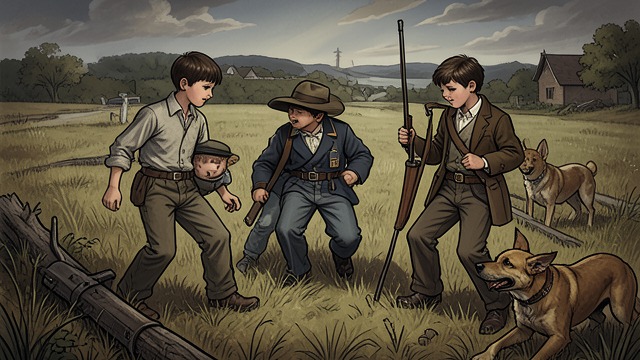
Titch later remembers that he, Erasmus Wilde, and Philip spent their childhood together, but the boys did not treat Philip as an equal. Differences in family means and social polish became excuses for mockery, while Philip’s reserve made him an easy target.
The cruelty escalated from frightening pranks to physical violence. Titch admits that he and Erasmus helped trap Philip, strip him, and beat him, sometimes continuing until he lost consciousness. His recollection complicates the picture of Titch as an uncomplicatedly benevolent man.
A Debt That Remains
For Washington Black, this confession revises the moral landscape of the people he has known. The adult Philip’s strangeness no longer appears detached from his history; it has roots in harm inflicted by those who later became his family.
Titch does not offer a neat explanation or claim that childhood misconduct excuses later suffering. His admission instead leaves a question hanging over their friendship: whether someone who has tried to oppose cruelty can fully reckon with the cruelty he once helped enact.
The Ailing Father
The Ailing Father
A Son at the Bedside
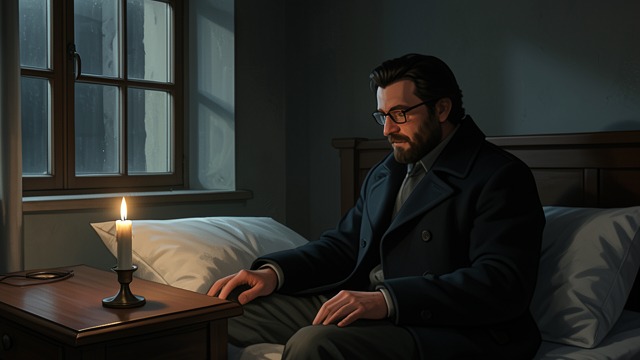
Before arriving at Faith Plantation, Philip had been caring for his dying father. He resisted leaving the bedside, but Titch and Erasmus persuaded him to join them on an outing, and he returned to learn that his father had died in his absence.
The loss helps explain why Philip’s later arrival carries a burden he does not readily disclose. He appears to be a guest absorbed in food and conversation, while grief and resentment remain mostly concealed beneath his habitual manner.
The News Delayed
At Faith, Philip withholds the report that Sir James Wilde has supposedly died in the Arctic. He later says that he wanted to tell both brothers together, but Titch hears the delay as deliberate betrayal. The disclosure abruptly overturns the easy routine of the household.
Philip’s conduct is neither innocent nor easily reduced to malice. His own grief, his strained place among the cousins, and the consequences of his silence coexist, making the announcement a source of lasting fracture rather than simple information.
The Man of Contradictions
The Man of Contradictions
A Life of Appetites
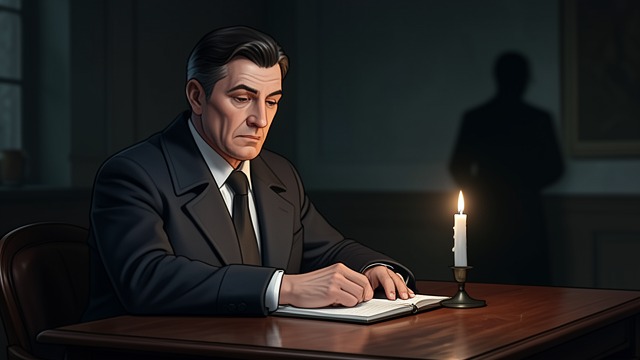
Washington observes Philip as a man of leisure whose days seem organized around eating, sleep, and small diversions. His appetite and indifference make him appear remote from the violence surrounding the plantation, though at times the suffering of enslaved people unsettles him.
He does not become a clear opponent of the system that sustains his comfort. Instead, his discomfort seems to surface briefly and then recede, leaving Washington unsure whether it reflects compassion, embarrassment, or merely a disturbance to Philip’s preferred world.
A Tenderness Kept Private
Philip notices Washington’s drawings and recognizes their quality, but warns Titch that educating an enslaved boy may bring trouble. The remark mixes appreciation with caution: he sees Washington’s talent while still speaking from within assumptions of ownership and hierarchy.
Later, Titch reveals that Philip secretly gave substantial support to a society helping orphaned children, despite owing gambling debts and seeming to have no close friends. The discovery does not resolve Philip’s character; it shows that the public figure Washington knew concealed private acts that resisted easy judgment.
The Shot on the Mountain
The Shot on the Mountain
A Walk with a Gun
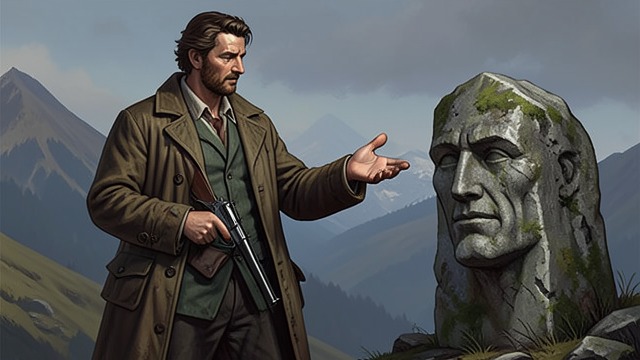
After Erasmus demands Washington’s return, Philip takes the boy away toward the scrub near Corvus Peak. He carries a gun but does not hunt, and his hesitant conversation shifts from Washington’s injury to a story about finding a gravestone bearing his own likeness.
His tale of the Vienna grave suggests an unsettled relationship with identity and death. Washington, frightened and unable to interpret the story, senses that the excursion is not an ordinary outing, but cannot determine what Philip intends until the man rises with the gun.
A Death Witnessed
Philip shoots himself in front of Washington. The blast leaves the boy alone beside the mutilated body, caught between the immediate horror and the certainty that the plantation authorities will blame him. He runs to Titch, carrying blood that is not his own.
The death becomes a crisis that forces Titch and Washington to escape by Cloud-cutter. Philip’s final act therefore changes both men’s paths, even as Washington remains troubled by why Philip involved him and whether his suicide was an attempt to escape or to make a final, incomprehensible statement.
The Legacy of Violence
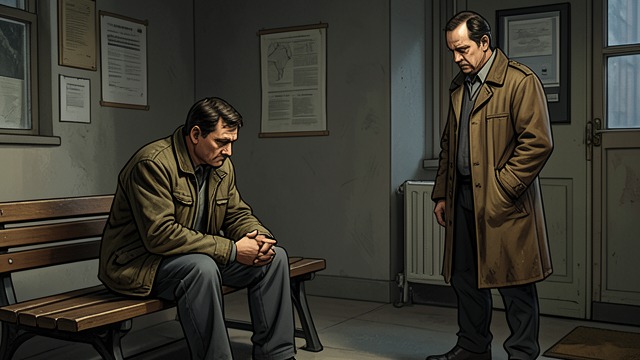
The Legacy of Violence
The Past Reopened
Years after Philip’s death, Titch tells Washington that the cousins had tormented Philip as boys. He describes the progression from humiliation to beatings and admits that the violence had become something they could not simply stop.
Titch’s account gives Washington a new context for the cousin who died at Faith. Philip had been both the target of earlier cruelty and a man whose own distress later became difficult for others to see. The past does not offer a single cause for his suicide, but it reveals a history of harm that Titch had carried without fully speaking.
A Limited Understanding
Titch also recalls Philip’s hidden charitable giving, debts, social life, and apparent lack of intimate companionship. These details make the cousin more complex without turning his death into a puzzle Washington can solve from afar.
Washington answers that no one can know the full truth of another person’s suffering, even the person who lives it. Their exchange shifts the emphasis from judging Philip to recognizing the responsibility not to deepen another person’s pain—a lesson Titch articulates only after years of distance and loss.
During the Wilde cousins’ childhood in England
During the weeks before Philip arrives at Faith Plantation
During Philip’s stay at Faith Plantation in 1830
Shortly before Washington and Titch flee Faith Plantation
During Titch and Washington’s reunion in Morocco
